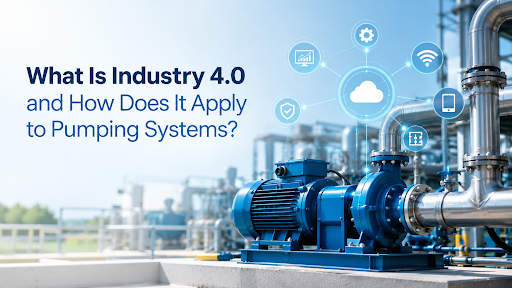
Industrial operations are becoming smarter, more connected and increasingly data-driven. From automated production lines to intelligent monitoring systems, technology is helping businesses improve efficiency and make better operational decisions. Pumping systems are part of this shift too. For businesses evaluating industrial pump suppliers, understanding Industry 4.0 can help identify opportunities to improve pump performance, reduce downtime and manage maintenance more effectively.
What Is Industry 4.0?
Industry 4.0 refers to the integration of digital technologies, automation and data exchange into industrial processes. It connects machines, sensors and software to provide better visibility into operations and support informed decision-making.
In practical terms, this means equipment can collect operational data, share it with monitoring systems and help operators identify changes that may require attention. Rather than relying solely on manual inspections, businesses can use real-time information to understand how their equipment is performing.
How Does Industry 4.0 Apply to Pumping Systems?
Pumping systems play a critical role in water treatment, manufacturing, HVAC, power generation and other industrial applications. Integrating smart technology and the Internet of Things (IoT) can make these systems easier to monitor and manage.
Sensors installed at suitable points in a pumping system can measure parameters such as flow rate, pressure, temperature and vibration. This data can then be transmitted to a central monitoring platform, where operators can review performance and identify unusual operating conditions.
While working with industrial pump suppliers, it is worth considering how monitoring capabilities can complement the pump’s mechanical design and support long-term operational requirements.
Real-Time Monitoring and Remote Access
Real-time monitoring provides continuous or periodic visibility into pump operating conditions, depending on the system configuration. Operators can track important parameters, compare readings against expected ranges and identify changes that may indicate a developing issue.
Remote monitoring takes this a step further. When connected systems provide secure remote access, authorised personnel can check pump conditions from a control room, office or another location without having to be physically present at the equipment.
This can be particularly useful for facilities managing multiple pumps or operating equipment across large industrial sites. It also helps maintenance teams prioritise inspections based on actual operating conditions rather than relying exclusively on fixed schedules.
Early Alerts and Predictive Maintenance
Smart pumping systems can be configured to generate alerts when sensor readings move beyond defined thresholds. For instance, an increase in vibration may indicate developing mechanical issues, while unusual temperature readings could point to overheating.
These alerts allow operators to investigate potential problems before they escalate. More advanced systems can also analyse historical operating data to identify patterns and estimate when maintenance may be required. This approach is known as predictive maintenance.
Although alerts do not guarantee that a breakdown will be prevented, they can help maintenance teams intervene earlier, reduce unexpected interruptions and plan servicing more effectively.
For organisations comparing industrial pump suppliers, understanding the available monitoring and maintenance support can be as important as evaluating capacity, pressure requirements and energy consumption.
Improving Energy Efficiency and Reducing Downtime
Pump performance is closely linked to energy consumption. Operating outside the required duty point, excessive throttling, unnecessary running hours or mechanical deterioration can contribute to inefficient energy use.
Industry 4.0 technologies help operators analyse operating data to identify these issues. Monitoring flow, pressure and power consumption together can reveal opportunities to optimise pump operation, adjust control settings or investigate equipment that is consuming more energy than expected.
Consider two pumping systems. A traditional system may depend on periodic manual readings, with problems discovered during inspections or after performance deteriorates. A smart system can continuously monitor selected parameters, flag abnormal readings and give operators earlier opportunities to investigate.
The benefits depend on the quality of the data, system design and how effectively teams act on the information. When implemented appropriately, these technologies can support better energy management, reduce avoidable downtime and improve maintenance planning.
How VEMPL Can Support Your Pumping Requirements
Choosing the right pumping equipment involves more than selecting a pump based on its rated specifications. Application requirements, operating conditions, control systems and maintenance needs all influence long-term performance.
VEMPL brings an engineering-led approach to pumping systems, helping customers assess their requirements and identify suitable equipment solutions. Whether you are upgrading an existing installation or planning a new system, understanding the role of monitoring, controls and operational data can help you make more informed decisions.
To discuss your pumping requirements or seek engineering assistance, contact VEMPL on +91 8976951701, +9987099448 or 022 43117133, or email marketing@vempl.co.in.
Frequently Asked Questions
1. What is Industry 4.0 in pumping systems?
Industry 4.0 in pumping systems involves using connected sensors, digital monitoring, automation and data analysis to improve operational visibility, maintenance planning and system performance.
2. How does IoT help monitor pumps?
IoT connects sensors and equipment to monitoring platforms, allowing operational data such as flow, pressure, temperature and vibration to be collected and reviewed remotely.
3. What pump parameters can sensors measure?
Depending on the installation, sensors can measure flow rate, pressure, temperature, vibration, motor current and other operating parameters. The selection depends on the application and monitoring objectives.
4. What is predictive maintenance in pumping systems?
Predictive maintenance uses equipment condition data and operating trends to help identify potential problems and plan maintenance before a failure occurs.
5. Can smart pumping systems reduce energy consumption?
They can help identify inefficient operating conditions, unnecessary running hours and opportunities to optimise controls. Actual energy savings depend on the pump, system design, operating profile and corrective actions taken.
6. Do all industrial pumps support remote monitoring?
No. Remote monitoring depends on the installed sensors, control equipment, communication infrastructure and software. Some existing systems may require additional hardware or integration to enable these capabilities.
7. How can I choose the right industrial pump supplier for a smart pumping system?
Evaluate the supplier’s understanding of your application, equipment selection expertise, compatibility with monitoring and control systems, technical support and maintenance requirements. Discussing these factors early can help ensure that the pumping system meets both current and future operational needs.